British Citizenship Solicitors (UK Naturalisation)
Get Expert Help with your British Citizenship Application.
- Free Initial Consultation
- Fixed Fees- No Hidden Costs
- High Success Rate – Proven Track Record
- Legal 500 Top Tier Firm


BOOK AN APPOINTMENT
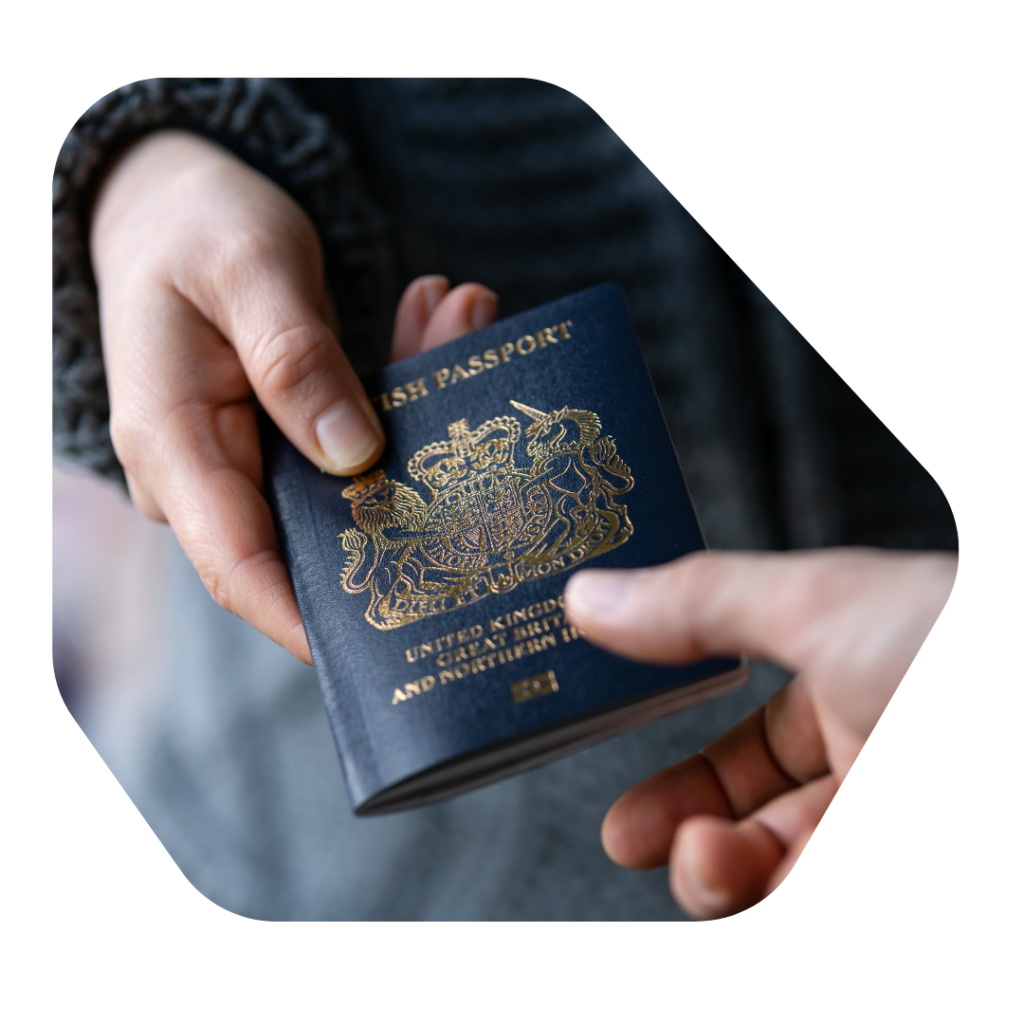
What is Naturalisation? Advice from Trusted British Citizenship Solicitors:
Naturalisation is the formal legal pathway through which an adult aged 18 or over, who does not already hold British nationality, can become a British citizen. It involves submitting a detailed application to the Home Office under the British Nationality Act 1981, and unlike some immigration routes, it is not granted automatically. Instead, each application is assessed on a discretionary basis, taking into account factors such as lawful residence, good character, knowledge of English, and commitment to life in the UK.
Because the criteria can be complex and the evidential requirements demanding, many applicants choose to seek guidance from specialist British Citizenship Solicitors, who can provide clear, tailored advice on eligibility, documentation, and how best to present a strong application. With professional support, applicants often feel more confident navigating the process and understanding how naturalisation fits into their long‑term plans for living and working in the UK.
British Citizenship Solicitors Explain – Who’s Eligible for UK Naturalisation?
Most applicants choose to apply for British citizenship once they have lived in the UK for a sufficient period and have obtained settled status, such as Indefinite Leave to Remain or settled status under the EU Settlement Scheme. For many, the standard route requires 5 years of lawful residence, followed by at least 12 months of holding settled status before applying. However, those who are married to or in a civil partnership with a British citizen benefit from a shorter qualifying period, as they can usually apply after 3 years of residence, provided they meet all other criteria.
In addition to the residence requirement, applicants must also satisfy a number of other important conditions. These include demonstrating continuous lawful immigration status, meeting the good character requirement, passing the Life in the UK Test, and showing sufficient knowledge of English. Each of these elements can be complex in its own way, especially where there are gaps in residence, past immigration issues, or uncertainties about how the Home Office interprets certain rules.
Because of these complexities, many people choose to work with experienced British Citizenship Solicitors who can assess their eligibility in detail, identify any potential risks, and help prepare a well‑supported application. Professional guidance can make a significant difference, ensuring that applicants understand the requirements clearly, gather the correct evidence, and present their case as strongly as possible when applying for naturalisation.

Why Choose OTB Legal as your Naturalisation and British Citizenship Solicitors?
At OTB Legal, we’re proud to be recognised among the UK’s top immigration law firms — a distinction that reflects our deep expertise and proven success in handling British Citizenship and Naturalisation applications.
- Award-Winning Service: With multiple awards recognising our dedication and results, we are committed to securing the best possible outcome for your British Citizenship and Naturalisation applications.
- Leading Expertise: Named a Leading Firm by Chambers and Partners 2024, and ranked as a Top-Tier Firm in the Legal 500 2025, our solicitors are trusted industry leaders in UK immigration law.
- Specialist Focus: We specialise in Naturalisation and family immigration, giving you expert guidance tailored specifically to your unique situation.
- Client Satisfaction: Our clients consistently praise our clear communication, personalised approach, and excellent value for money, as seen in top ratings on Review Solicitors.


What is the difference between Naturalisation and British Citizenship?
British citizenship refers to the legal status a person holds once they are officially recognised as a British citizen. It is the end result — the status that grants full rights such as the ability to live, work, vote, and hold a British passport. Naturalisation, on the other hand, is simply one of the pathways an adult can use to acquire that status. It is the most common route for adults who were not born British and do not have another automatic claim to citizenship.
Not everyone becomes British through naturalisation. Some people obtain citizenship through registration, which is often used for children, certain Commonwealth citizens, or individuals with specific historical or family-based rights. Others may already hold a different form of British nationality — such as British Overseas Territories citizenship — and can sometimes register or upgrade their status to full British citizenship.
In short, naturalisation is a process, while British citizenship is the final legal status that results from it.
How much does Naturalisation Cost?
The cost of applying for naturalisation can vary depending on your individual circumstances, but most adult applicants pay a standard Home Office fee of £1,735, which generally includes the fee for attending the citizenship ceremony. This is the core cost of the application itself, but it’s important to be aware that several additional expenses may arise during the process.
Many applicants will need to pay for the Life in the UK Test, which has its own separate fee. There may also be costs associated with proving your English language ability, such as taking an approved English test or obtaining a replacement certificate if your original is unavailable. If any of your supporting documents are not in English, you may need to pay for certified translations. Some applicants also choose to upgrade their UKVCAS appointment for convenience, which can add further charges.
Because these costs can add up, it’s helpful to plan ahead and understand what you’re likely to need. Working with an immigration professional can also make the process feel more manageable, as they can guide you on which documents are essential and how to avoid unnecessary expenses.

How do I apply for a Naturalisation with a British Citizenship Solicitor?
Most applicants begin the naturalisation process by completing the online application form on GOV.UK. Once the form is submitted and the Home Office fee has been paid, you will be prompted to book and attend a biometric enrolment appointment, where your fingerprints and photograph are taken. After this stage, your application enters the assessment process, during which the Home Office reviews your residence history, immigration status, good‑character evidence, and supporting documents.
When a decision is made, successful applicants receive an invitation to book their citizenship ceremony, which must be attended within the required timeframe in order to formally become a British citizen. Although the steps may seem straightforward, many people find the process more manageable with the support of an experienced British citizenship solicitor. A specialist can guide you through each stage, ensure your documents are correctly prepared and uploaded, and provide a clear explanation of what to expect, helping the entire experience feel smoother and far less stressful.
Thinking of Applying for a UK Naturalisation?
Our experienced British Citizenship Solicitors at OTB Legal are here to guide you every step of the way. Whether you’re just starting your application or need help with specific requirements, we’ll provide clear, practical advice tailored to your situation.
Fill out the form below and one of our team will get back to you quickly with a personalised response.

How long does the Naturalisation process take?
The naturalisation process typically takes around 6 months from the date you submit your application, as this is the Home Office’s usual service standard for most straightforward cases. However, the actual timeframe can vary depending on the complexity of your circumstances, the volume of applications being processed, and whether the Home Office needs additional information or documents from you.
Some applications are decided more quickly, while others may take longer than the standard 6‑month period. If your case is likely to exceed this timeframe, the Home Office will generally get in touch to explain the delay or request further evidence. It’s also worth remembering that the overall process includes not just the decision itself, but also attending your citizenship ceremony, which must take place within 3 months of approval.
Because timelines can fluctuate, many applicants find it helpful to seek advice from a British Citizenship Solicitor to ensure their application is as clear and complete as possible from the outset, reducing the chances of avoidable delays.
What if my Naturalisation application is refused?
A refusal of a naturalisation application does not carry a right of appeal to the immigration tribunal, which means you cannot challenge the decision in the same way as many other immigration refusals. Instead, if you believe the Home Office made an error in applying the law, policy, or procedure, you may be able to request an internal review or reconsideration by submitting Form NR, which requires payment of an additional fee. This process allows the Home Office to look again at the decision and assess whether it was made correctly based on the evidence and rules in place.
However, not every refusal is suitable for reconsideration. In many cases, applicants decide it is more practical to address the issues raised in the refusal letter—such as gaps in residence, concerns about good character, or missing documents—and then submit a fresh naturalisation application once they are able to meet all the requirements. This approach can often be quicker and more effective, especially where the refusal was based on eligibility rather than a clear administrative error.
Because the rules around naturalisation are discretionary and can be complex, many people find it helpful to seek guidance before deciding which route to take. A specialist can review the refusal, explain your options clearly, and help you plan the strongest way forward.

How we work – including our transparent pricing
We find that our 3 stage system of working with clients gives everyone the greatest clarity on what can be achieved, how it will happen and how much it will cost. You can learn more about our 3 stage system here. See the pricing for our British Citizenship Solicitor Naturalisation services below:

Assess
Free Consultation – £0.00
The Assessment Stage helps us identify the right application for you. You’ll speak with one of our experienced Lawyers and there’s no obligation to proceed further. By the end, you’ll have a clear plan outlining your options, costs, and the likelihood of a successful outcome.

Advice
£360 (inc 20% VAT where applicable)
For a fixed fee, you receive specialist legal advice, clear written guidance, and a tailored document list, giving you a strong strategy for success. After the Advice Stage, you can submit the application yourself or ask us to handle it. You stay fully in control throughout.

Application
£960 – £2,100 depending on the complexity of the matter. (inc 20% VAT where applicable)
A full review of your documents, help completing the online form, preparation of a tailored evidence bundle, and a detailed legal cover letter. We represent you through to the final decision and advise on any next steps. A premium service is available at a 50% increase to the standard fee.

Book now and receive:
- Personalised Case Appointment: Speak to a member of our team to gain confirmation on if we can assist with your specific legal needs in a free consultation.
- Specialist Appointment Booking: Get matched with a lawyer with specialist expertise as soon as possible.
- Exceptional Client Care: Work with experienced legal professionals delivering a clear plan of action and outstanding support every step of the way.
Schedule a FREE appointment
Frequently Asked Questions

The documents required for a British naturalisation application can vary depending on your individual route and personal circumstances, but most applicants will need to provide a core set of evidence. This usually includes proof of identity, such as a valid passport, biometric residence permit, eVisa, or other confirmation of Indefinite Leave to Remain or settled status. You will also need to supply detailed information about your residence in the UK, including any absences, to show that you meet the relevant residence requirements.
Another key element is demonstrating that you meet the Knowledge of Language and Life in the UK (KoLL) requirement. This typically involves providing your Life in the UK Test reference number and acceptable English language evidence, unless you are exempt due to age, medical reasons, or nationality. If you have made any declarations in your application—such as a change of name, marital status, or other personal circumstances—you will need to provide supporting documents to verify these.
In addition, every naturalisation application must include the details of two referees who meet the Home Office criteria. Ensuring that your referees are eligible and that their information is correctly provided is an important part of the process.
Because the exact documentation can differ from one applicant to another, many people choose to work with a British citizenship solicitor who can review their circumstances, identify any gaps, and help prepare a complete and well‑supported application. This can significantly reduce the risk of delays or refusals caused by missing or incorrect evidence.
The British naturalisation process generally follows a clear sequence of steps, although the exact timing can vary depending on your circumstances and how quickly you are able to prepare your documents. A typical timeline begins with checking your eligibility and gathering all the necessary evidence, such as proof of residence, immigration status, and your Life in the UK Test details. Once you are confident you meet the requirements, you move on to submitting the online application via GOV.UK and uploading your supporting documents to the Home Office portal.
After submission, you will be prompted to attend a biometrics appointment, where your fingerprints and photograph are taken. This usually happens within the timeframe provided when booking. Your application then enters the assessment stage, during which the Home Office reviews your information and makes a decision — a process that often takes around 6 months, though some cases may be quicker or slower depending on complexity.
If your application is approved, you will receive an invitation to book your citizenship ceremony, which must be attended within the required period to formally complete the naturalisation process. Once you have attended the ceremony and received your certificate of naturalisation, you can then apply for a British passport.
Many applicants choose to work with a British citizenship solicitor to help manage this timeline smoothly, ensuring each stage is completed correctly and that all documents are prepared in a way that minimises delays.
Once you have attended your citizenship ceremony and received your certificate of naturalisation, you are officially a British citizen and can then apply for a British passport. The application is made through HM Passport Office, and you will need to provide your naturalisation certificate, proof of identity, photographs that meet the required standards, and any additional documents requested depending on your circumstances.
It’s important to remember that your naturalisation certificate is not a travel document, so you should avoid making travel plans until your passport has been issued. In some cases, individuals who cannot apply for a passport immediately may instead apply for a certificate of entitlement to the right of abode, though this is less common for newly naturalised citizens.
Many people choose to seek guidance from a British citizenship solicitor at this stage to ensure their documents are in order and to avoid delays, especially if there are complexities such as name changes, dual nationality considerations, or previous passport issues. A well‑prepared application helps you move smoothly from naturalisation to holding your first British passport.
Most applicants are required to pass the Life in the UK Test as part of the naturalisation process, and you must include the unique reference number in your application. The test is designed to assess your knowledge of British history, culture, and values, and it is a key component of meeting the Knowledge of Language and Life in the UK (KoLL) requirement.
There are, however, specific exemptions. You do not need to take the test if you are 65 or over, or if you have a long‑term physical or mental condition that makes it impossible for you to meet this requirement. In cases involving medical exemptions, you must provide appropriate medical evidence and follow the Home Office’s waiver process to demonstrate why the test cannot be taken.
There is no specific minimum income requirement for naturalisation, which makes it different from several visa or leave‑to‑remain categories that do require applicants to meet a financial threshold. However, while your income level itself is not assessed, the Home Office will still look at your overall good character, and this can include aspects of your financial history.
For example, issues such as significant unpaid NHS debts, fraud involving public funds, or a pattern of financial irresponsibility may raise concerns during the good‑character assessment. These factors don’t automatically lead to refusal, but they can influence how the Home Office views your application, especially if the concerns are recent or unresolved.
If you’re unsure whether your financial circumstances could affect your application, speaking with a British citizenship solicitor can be extremely helpful. A specialist can review your situation, explain how the Home Office is likely to interpret it, and guide you on the best way to present your case to avoid unnecessary risks.
If your naturalisation application is approved and you are aged 18 or over, attending a citizenship ceremony is a required final step in the process. This ceremony is where you formally make the oath or affirmation of allegiance and the pledge to respect the rights, freedoms, and laws of the United Kingdom. Only once you have completed this ceremony and received your certificate of naturalisation do you officially become a British citizen.
Your invitation letter will explain how to book the ceremony and will set a deadline by which you must attend, so it’s important to arrange it promptly. Most people attend a group ceremony organised by their local council, although private ceremonies may be available for an additional fee.
There is no specific minimum income requirement for naturalisation, which makes it different from several visa or leave‑to‑remain categories that do require applicants to meet a financial threshold. However, while your income level itself is not assessed, the Home Office will still look at your overall good character, and this can include aspects of your financial history.
For example, issues such as significant unpaid NHS debts, fraud involving public funds, or a pattern of financial irresponsibility may raise concerns during the good‑character assessment. These factors don’t automatically lead to refusal, but they can influence how the Home Office views your application, especially if the concerns are recent or unresolved.
If you’re unsure whether your financial circumstances could affect your application, speaking with a British citizenship solicitor can be extremely helpful. A specialist can review your situation, explain how the Home Office is likely to interpret it, and guide you on the best way to present your case to avoid unnecessary risks.
You can generally travel while your naturalisation application is being processed, provided you still hold a valid passport and have valid UK immigration status that allows you to re‑enter the country, such as Indefinite Leave to Remain or settled status shown on your eVisa. Your travel does not pause or negatively affect the application itself, as naturalisation is assessed on your past residence rather than your movements after submission.
That said, it’s important to make sure you do not risk being unable to return to the UK—your underlying immigration status must remain valid throughout the process. If your BRP is due to expire or you have any concerns about your ability to re‑enter the UK, it’s wise to address these before travelling.
If you’re unsure whether your travel plans could affect your situation, a British citizenship solicitor can review your status and provide reassurance so you can travel with confidence while your application is pending.
Our Expert British Citizenship Solicitors – UK Naturalisation:







Join countless satisfied clients and work with our expert British Citizenship Solicitors for UK Naturalisation today:

Casey
I used OTB for my naturalisation application. The service was straight forward and quick. I was worried about submitting the application myself and couldn’t recommend this service more.
Nazia
Mark and the team did a fantastic job ,applying for my first application for citizenship after 24 years in the UK. I was nervous but Mark was great help he did everything for me guiding me ,always there to help and communication through out was outstanding . Will definitely recommend anyone who need immigration help.
Arjan
I’m so thankful to Mark Lilley-Tams for helping me through my British naturalisation process. He was always available to answer my questions and guide me every step of the way, making everything simple and stress-free.
Nishan
If I could give Natasha more than 5 stars I would. Natasha was my solicitor for my Naturalisation Application. I recently got my application approved and I am extremely grateful and thankful for all of Natasha’s hard work.
Mr C Theodorou
Working with Emma Cohen to secure my British nationality was a truly exceptional experience. From our first consultation, it was clear that they possessed not only deep expertise in UK immigration law but also a genuine commitment to helping clients succeed. Emma guided me through every stage of the process with patience, clarity, and professionalism, making a complex and often daunting system feel manageable.” “Their attention to detail in preparing my documentation and anticipating potential issues was invaluable. They were always quick to respond to my questions and provided clear, honest advice even when the answers weren’t always what I hoped for. Thanks to their diligence and guidance, my application was successful, and I’m now a proud British citizen.”
Anastasia
Natasha was absolutely spot on throughout the whole process of my British naturalisation application. 100% recommendation of OTB Legal. My case clearly demonstrates their competence and integrity.

FREE GUIDE
Sign up below to get access to your FREE British Citizenship (Naturalisation) Guide
Our free guide on applying for British Citizenship (naturalisation) includes advice on the key information you need, your prospects of success, professional tips and a case study.

Contact Us
Not quite ready to book an appointment yet or unsure if it’s the right step for you? No worries! We understand that making decisions regarding legal matters can be daunting.
Reach out to our Client Experience Lead, Rikki, who will be more than happy to assist you and guide you in the right direction.
Your peace of mind matters to us, and we’re here to support you every step of the way. Contact Rikki today for personalised guidance and assistance.
Find out more about Naturalisation and British Citizenship Solicitor Services with the following useful links:

Potential changes for Naturalisation applications 2025
With the UK’s political landscape shifting faster than ever and the proposed changes introduced in the government’s immigration White Paper, …
Naturalisation: Generous approach for ILR
Naturalisation: More generous approach to the lawful residence / good character requirement for those granted ILR The Home Office nationality …